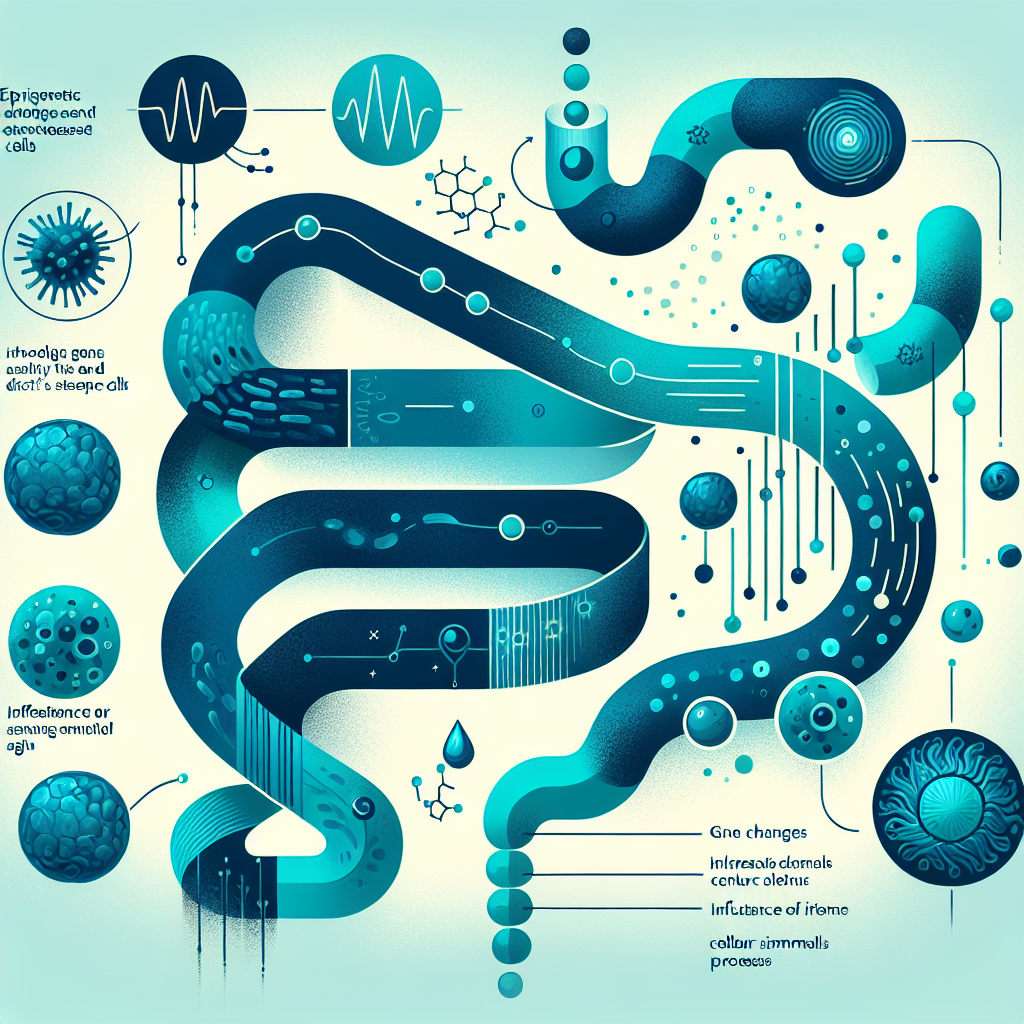
The Hidden Aging Program in Our Guts and Its Implications for Cancer Risk
While it is a well-known fact that the gut is one of the body's most rapidly renewing systems, recent research has shed light on a less visible aspect of this renewal process. The stem cells within the gut, essential for its constant regeneration, undergo age-related molecular transformations over time. These changes, collectively referred to as 'epigenetic drift,' subtly modify the activation patterns of genes within these cells.
This drift is not random but follows a discernible pattern, closely mirroring the epigenetic changes observed in a majority of colon cancer cases. Certain areas within the intestines age more rapidly than others, creating zones particularly vulnerable to disease and degeneration. This discovery suggests a potential patchwork of risk across the gut, with implications for cancer development.
Encouragingly, the research points towards the possibility of mitigating these effects. By either replenishing iron levels or adjusting specific cellular signals, there is evidence to suggest that the aging process within the gut can be slowed, or even partly reversed. Such interventions could represent a significant step forward in both understanding and managing the risk of colon cancer, highlighting the importance of continued research in this field.
A New Frontier in Cancer Prevention
The implications of these findings are vast, offering a glimmer of hope for new preventive strategies against colon cancer. It emphasizes the potential of targeting the aging process at a molecular level to reduce cancer risk. As research progresses, these insights could pave the way for innovative treatments, emphasizing the importance of a holistic approach to health and disease prevention.
While the study's results are promising, it is crucial to approach them with caution. The pathways to effectively influencing these epigenetic changes are complex and require further investigation. As always, individuals should consult healthcare professionals before considering any changes to their health regimen, underscoring the importance of professional oversight in health matters.