Understanding Age-Related Memory Decline: A Holistic View
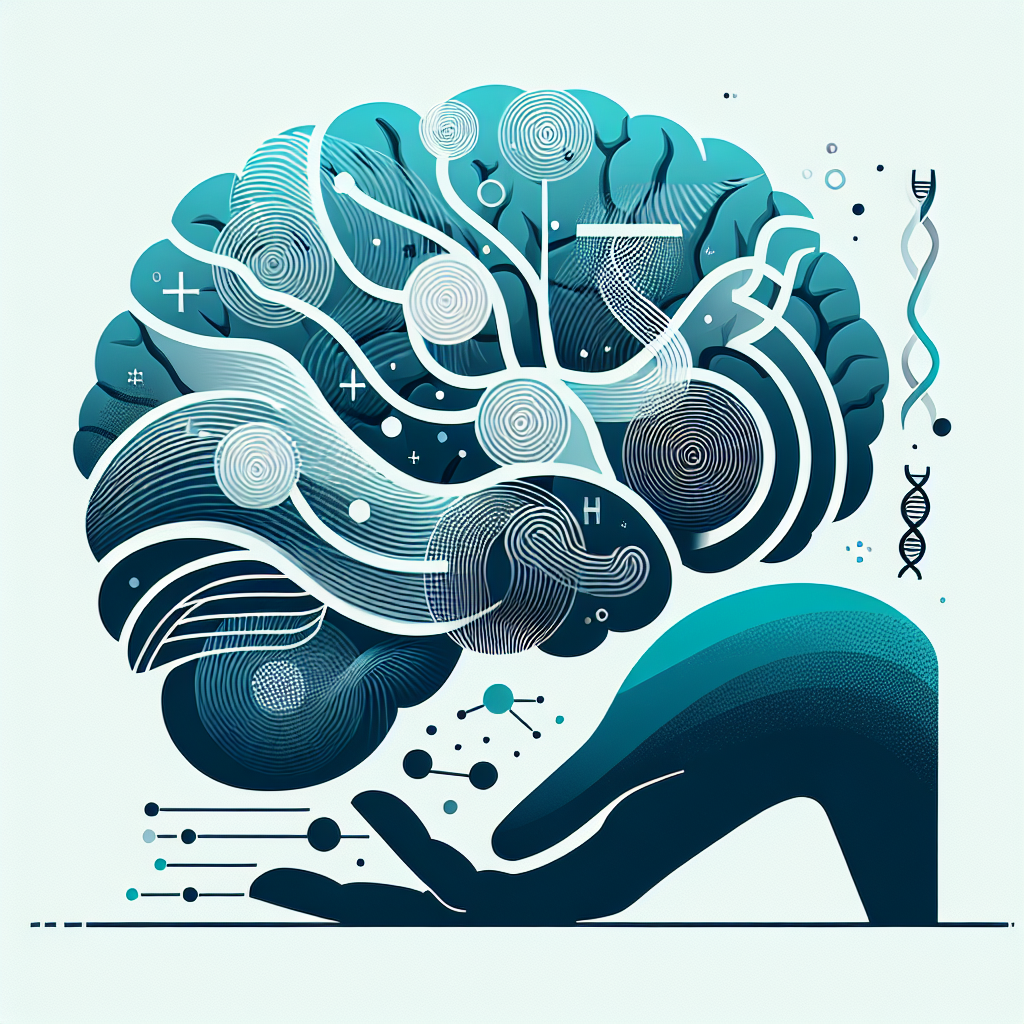
Recent findings from an extensive international study have transformed our understanding of memory loss associated with aging. Contrary to the common belief that memory decline could be pinpointed to a specific brain region or gene, this research illustrates a more complex scenario. The study meticulously analyzed thousands of MRI scans and memory assessments from healthy individuals, uncovering that memory impairment is significantly linked to widespread structural changes throughout the brain.
The Role of the Brain in Memory Decline
While the hippocampus, known for its critical role in memory formation, is indeed a key player, it's far from being the sole contributor. The study highlights that numerous regions across the brain collectively influence the rate and severity of memory decline. This suggests a network of vulnerability that becomes more pronounced with age, as brain tissue progressively shrinks.
Implications for Future Research and Interventions
These insights not only deepen our understanding of the aging brain but also pave the way for new research directions and potential interventions. By acknowledging the broad spectrum of brain changes involved in memory loss, scientists can explore targeted strategies that address these complex mechanisms. The findings underscore the importance of a comprehensive approach to studying brain health and memory decline, moving beyond the search for a singular 'culprit.'
In conclusion, this study serves as a vital reminder of the intricate interplay within our brains that governs memory. As research continues to unravel the mysteries of the brain, we edge closer to more effective interventions for age-related memory decline.